Plenty of trip proposals label a game drive and a lodge dinner as “CSR.” Few explain what a company’s money and time actually fund once the group lands in Kenya. A real conservation CSR safari links a specific rhino protection unit, a community land lease, or an elephant nursery to a dollar figure. It also names a place a team can visit and understand. This guide breaks down which Kenyan conservancies and trusts offer that link. It also covers what a corporate day with them costs and how to spot a genuine program versus a rebranded game drive.
What Counts as a Real CSR Angle, Not Just a Rebranded Game Drive
A generic safari sells wildlife as scenery. Real CSR programming should show a team where its participation fee goes. It should also let them see the work in progress. That means a ranger briefing on an active rhino monitoring unit, a visit to a funded community project, or hands-on time with an anti-poaching dog unit. If an itinerary only swaps the word “safari” for “retreat,” without adding any of that access, it is marketing, not conservation.
Ask any operator three things before booking. Confirm the specific conservancy or trust involved, the named program the visit supports, and whether part of the day’s fee is ring-fenced for that program rather than absorbed into general camp revenue. A credible answer will name a unit, a headcount, or a hectare figure. Vague or evasive replies usually mean the CSR framing got added late in the sales process.
Four Real Options and What Each Actually Offers
| Conservancy or trust | Location | Size | What the CSR angle actually funds | Typical corporate day rate (per person, indicative) |
|---|---|---|---|---|
| Ol Pejeta Conservancy | Laikipia, near Nanyuki | 90,000 acres (about 364 km2) | Rhino monitoring unit protecting the last two northern white rhinos and a chimpanzee sanctuary run with the Jane Goodall Institute | $120-180, includes ranger briefing and rhino tracking activity |
| Lewa Wildlife Conservancy | Laikipia, near Isiolo | 62,000 acres (about 250 km2), a UNESCO World Heritage Site | Community health clinics, schools, and water projects funded through the Northern Rangelands Trust model | $130-190, includes a community project visit on request |
| Maasai Mara conservancies (Naboisho, Mara North) | Greater Mara ecosystem | Naboisho about 50,000 acres (200 km2); Mara North about 32,300 acres (130 km2) | Direct land-lease payments to Maasai landowning families, the mechanism that keeps the land wild instead of subdivided for farming | Conservation fee $80-100 per person per night, on top of camp rate |
| Sheldrick Wildlife Trust, Nairobi Nursery | Nairobi National Park boundary | Nursery site plus reintegration units in Tsavo | Elephant orphan rescue and hand-rearing, with named orphans a company can adopt as a group | Group adoption visit from about $50 per elephant per year; private keeper-for-a-day experience priced on request |
Prices shift by season, group size, and how much private access a company wants. Treat the ranges above as planning figures and confirm current rates with the conservancy or a partner operator before signing a contract.
Ol Pejeta: Rhino Protection Teams Groups Can Actually Meet
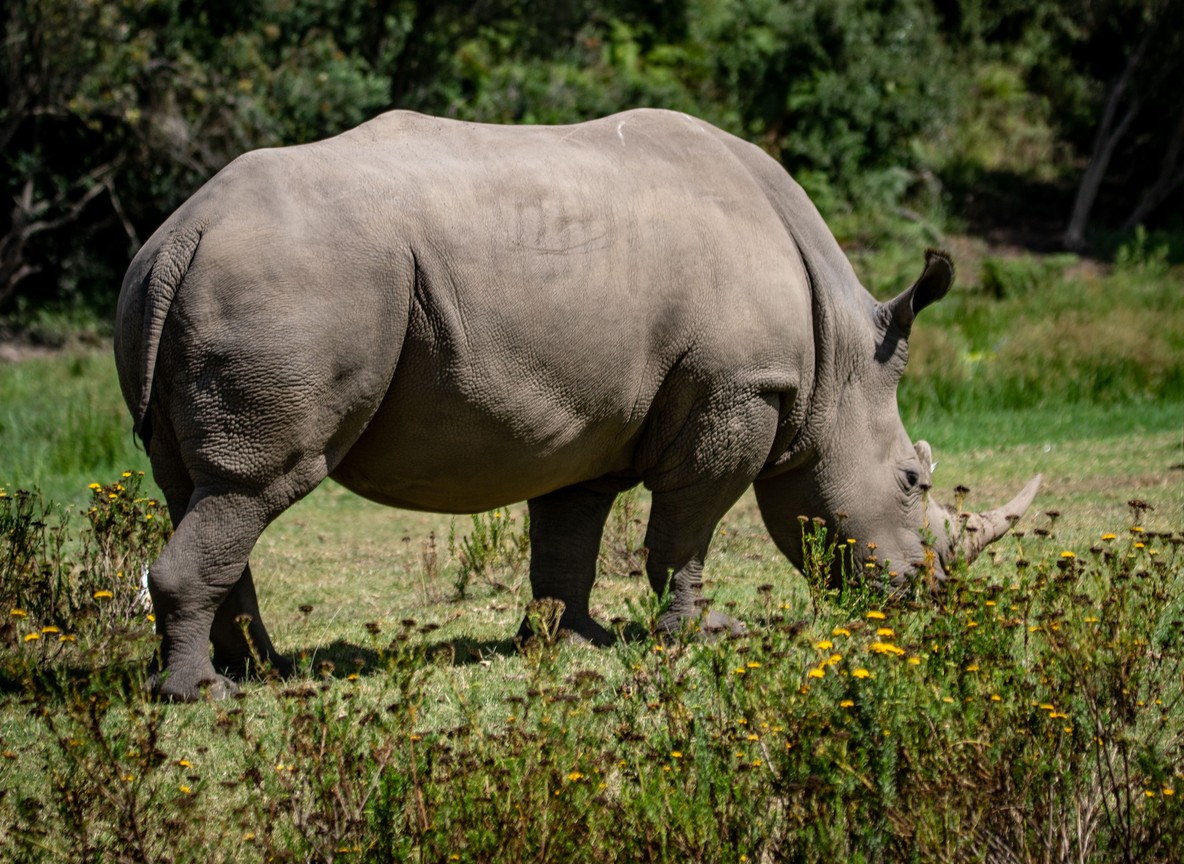
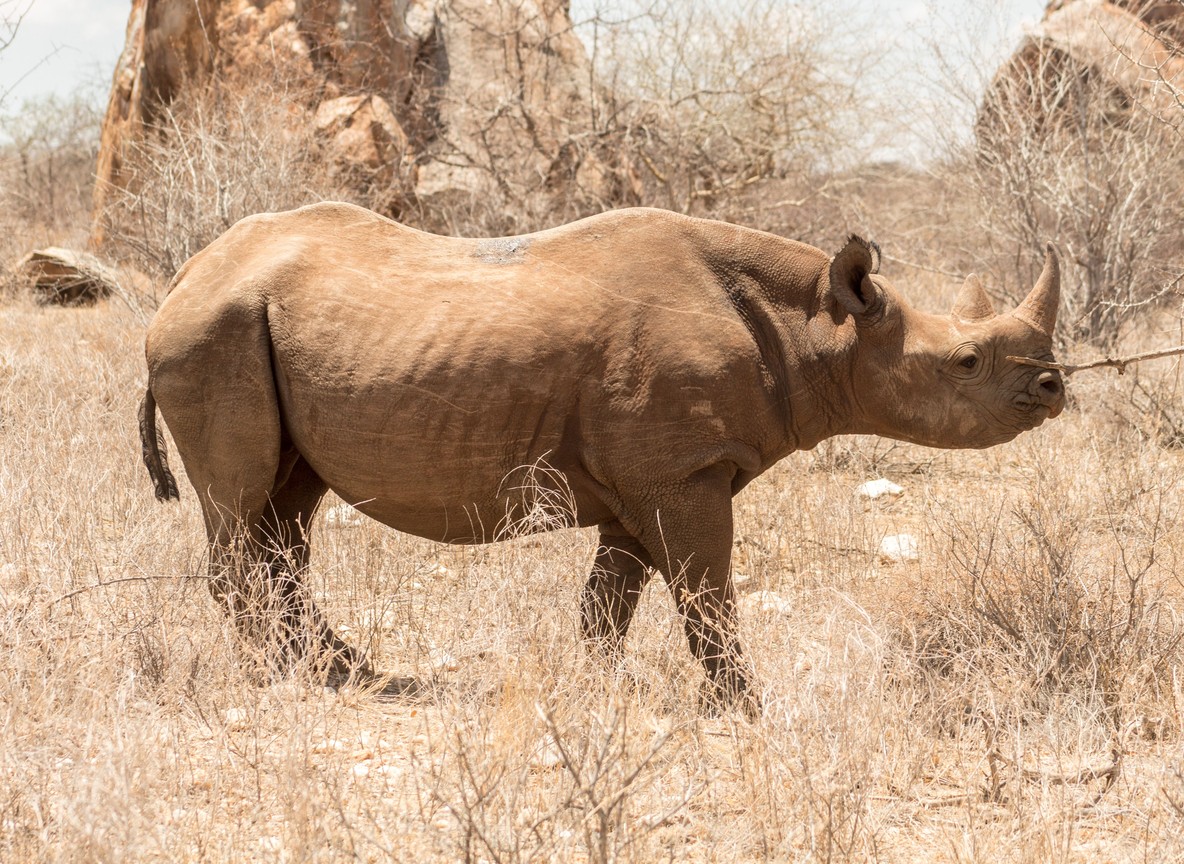
Ol Pejeta sits about 200 km north of Nairobi, a 4 to 5 hour drive through Nyeri. A faster option is a 45 minute flight from Nairobi Wilson Airport to Nanyuki, plus a 1 hour road transfer. The conservancy runs a dedicated rhino monitoring program protecting Najin and Fatu, the world’s last two northern white rhinos. It also holds East Africa’s largest black rhino sanctuary. Corporate groups can join a ranger for a briefing on tracking technology, including radio collars and patrol logs, then observe a monitored rhino from a safe distance.
Ol Pejeta also runs Sweetwaters Chimpanzee Sanctuary with the Jane Goodall Institute. It is home to chimps rescued from the illegal pet and bushmeat trade across Central Africa. A group visit here works well paired with a short talk from sanctuary staff on rehabilitation timelines. That gives a team a concrete story to bring back to the office, beyond photos.
Lewa: A Community-First Model Built Into Every Booking
Lewa Wildlife Conservancy is a UNESCO World Heritage Site near Isiolo. It sits roughly 280 km from Nairobi, about 5 to 6 hours by road, or a 50 minute flight to Lewa Downs airstrip. Lewa’s structure differs from a typical private reserve. Conservation fees and camp revenue feed directly into the Northern Rangelands Trust network. That network funds schools, health clinics, and water infrastructure across community-owned conservancies in northern Kenya.
A corporate day at Lewa can include a visit to one of these funded projects, not just a rhino sighting. Ask the conservancy office which specific school or clinic is open to visitors during your dates. Not every project welcomes drop-in groups, and some need advance notice from the community liaison team.
Maasai Mara Conservancies: CSR Through Land, Not Just Wildlife
Naboisho Conservancy (about 50,000 acres, 200 km2) and Mara North Conservancy (about 32,300 acres, 130 km2) both work on a land-lease model. Maasai landowning families receive direct payments in exchange for keeping their land undeveloped and open to wildlife. The land stays wild instead of getting fenced for farming or settlement. Every visitor pays a conservation fee, typically $80 to 100 per person per night on top of the camp rate, and that money funds the lease payments. It also funds a ranger force that patrols conservancy boundaries.
This model gives a corporate group a clear, countable CSR story: a specific number of families, a specific acreage, and a fee a company can point to directly. Camps including Kicheche Valley Camp in Naboisho and Elephant Pepper Camp in Mara North can arrange a landowner meeting on request. That lets a team hear from the community the fee supports, not only from camp staff.
Sheldrick Wildlife Trust: An Elephant Adoption Every Office Can Join
The David Sheldrick Wildlife Trust runs its nursery on the edge of Nairobi National Park, a short drive from most Nairobi hotels. It also runs reintegration units further out in Tsavo East and Tsavo West. Its adoption program lets a company sponsor a named orphaned elephant for about $50 per elephant per year. The trust sends updates through the year on that animal’s progress toward release back into the wild.
Groups visiting Nairobi for a conference can add a private keeper experience, priced on request through the trust, that goes beyond the public one-hour visiting window. This option works well for companies that want a low-logistics CSR add-on without traveling far from the city.
Getting There: Distances, Flights, and Timing
| Route | Distance | Road time | Flight time |
|---|---|---|---|
| Nairobi to Ol Pejeta (via Nyeri) | about 200 km | 4-5 hours | 45 min to Nanyuki, plus 1 hour transfer |
| Nairobi to Lewa Wildlife Conservancy | about 280 km | 5-6 hours | 50 min to Lewa Downs airstrip |
| Nairobi to Maasai Mara conservancies | about 270 km | 5-6 hours | 45 min to Mara airstrips |
| Nairobi to Sheldrick Wildlife Trust nursery | under 20 km from most Nairobi hotels | 30-45 min by road | not applicable |
Building a CSR day into a longer corporate retreat works best when the conservation activity happens on day two or three, after the group has settled in. A ranger briefing or a landowner meeting lands better once people are rested and not distracted by travel logistics.
Explorer Notes
Ask the conservancy directly, not the tour operator, for a one-page summary of what the CSR fee funds that year. Ol Pejeta and Lewa both publish annual conservation reports with headcounts for rangers, hectares patrolled, and community projects funded. A group that reads this beforehand asks sharper questions on the day. Rangers running these corporate visits say the sessions that stick with a team share a specific incident, such as a recovered snare, an intercepted poacher, or a rescued calf. That beats a general overview of the conservancy’s mission every time. Push your operator to confirm a ranger with field stories gets assigned, not just a standard driver-guide.
Common Mistakes to Avoid
- Booking a “conservation experience” without confirming which specific unit or project the fee supports; some operators add the label without any real link to a program.
- Scheduling the CSR activity on arrival day, when jet lag and travel fatigue reduce engagement.
- Assuming the conservation fee automatically includes a community or ranger visit; many camps charge these as separate add-ons.
- Skipping a request for photo and story permissions in advance, which slows down internal CSR reporting after the trip.
What to Read Next
- Planning the wider retreat around this trip? See our guide to corporate retreat venues in the Maasai Mara.
- Curious how this fits into broader travel trends? Read our piece on Kenya’s MICE tourism growth and corporate safari retreats.
- Want the full conservancy comparison for a private conservancy stay? Start with our private conservancies planning guide.
FAQ
What makes a safari a genuine CSR trip instead of a regular corporate retreat? A real CSR safari links the visit to a named conservation program, such as a rhino monitoring unit or a community land lease, and lets the company see or fund that work directly rather than just booking game drives with a CSR label attached.
Which Kenyan conservancy is best for a corporate CSR visit? Ol Pejeta suits companies wanting a strong rhino and chimpanzee conservation story. Lewa suits those wanting a community development angle. Maasai Mara conservancies suit groups wanting a direct land-lease and landowner story.
How much does a corporate CSR safari day cost per person in Kenya? Indicative day rates run $120-190 per person at Ol Pejeta and Lewa, while Maasai Mara conservancies charge $80-100 per person per night as a conservation fee on top of camp rates. Confirm current pricing directly with the conservancy.
Can a whole office adopt an elephant through the Sheldrick Wildlife Trust? Yes. The trust’s adoption program costs about $50 per elephant per year and sends regular updates. Groups near Nairobi can also request a private keeper experience beyond the standard visiting hours.
How far in advance should a company book a conservation-focused corporate safari? Book at least 3 to 4 months ahead for community project visits or ranger briefings, since these need advance coordination with conservancy staff and are not always available on short notice.
A CSR safari only earns the name when a team can trace the money to a ranger, a rhino, or a family on the land. Visit our Tour Packages page to compare conservancy options for a corporate group, or ask a partner operator to confirm current CSR add-on availability before you lock in dates.